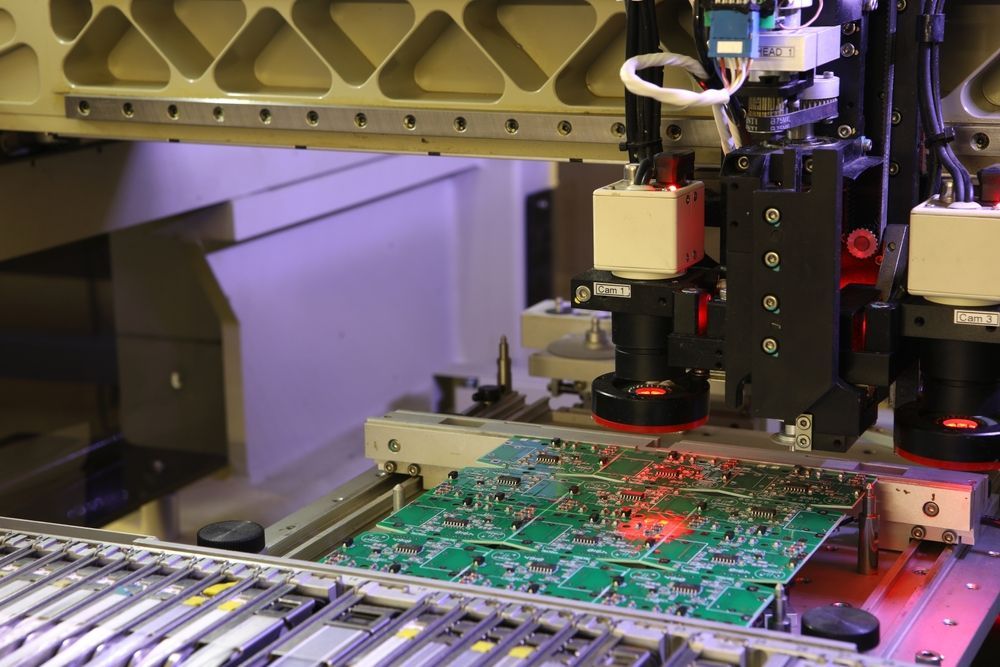
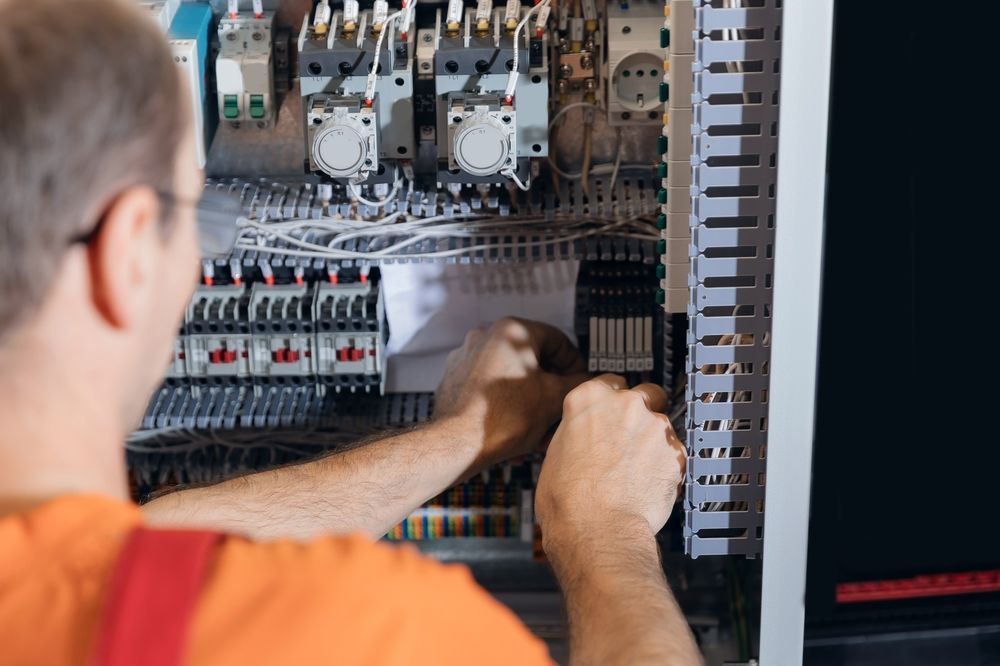
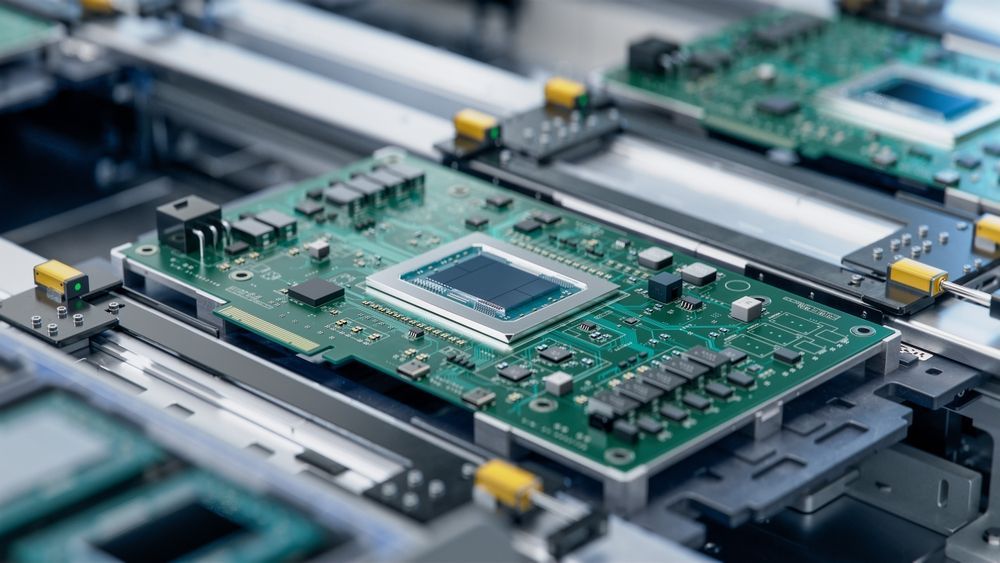
Modern electronic products rarely leave the factory as a single board. Instead, they are usually released as fully integrated systems that combine enclosures, wiring, and multiple subsystems into one finished unit. This added complexity creates coordination challenges across sourcing, assembly, and testing for both
PCB and PCBA, which are often handled by separate vendors. As expectations for speed and accountability rise, these fragmented processes can slow progress and increase risk. In this environment, box build assembly offers a more unified way to bring complex products together with better alignment, fewer handoffs, and clearer communication across teams.
What Defines a Box Build Assembly Process
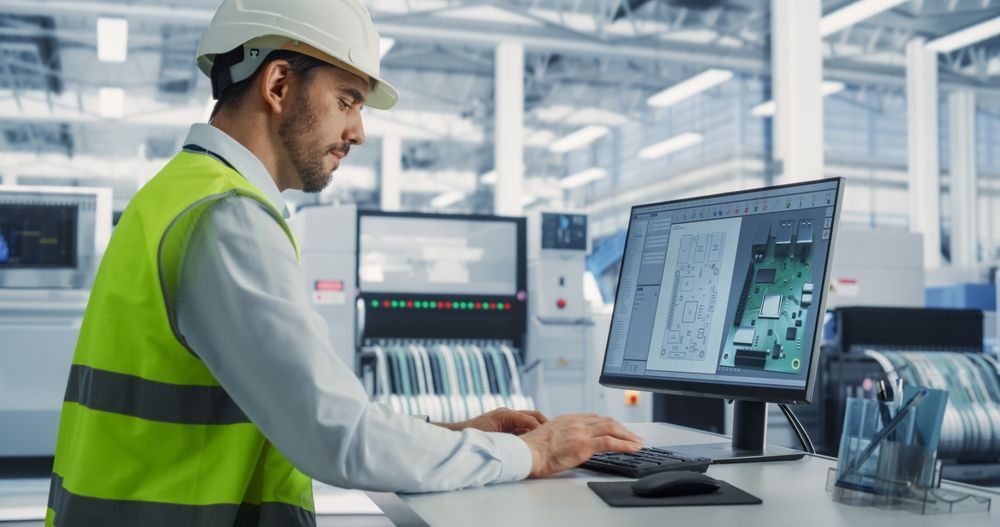
At its core, a box build assembly process brings together all mechanical and electrical elements into a fully integrated system ready for deployment. It covers more than circuit boards, extending to enclosures, wiring, connectors, and final system-level integration. Each component must align in function, fit, performance, and long-term reliability.
The process starts upstream, often with inputs from a qualified
PCB manufacturer, where board fabrication and assembly establish the foundation for the larger system. From there, subassemblies are combined, routed, and secured within an enclosure designed to protect and organize the final product. Close attention at each stage helps maintain consistency as complexity grows.
Instead of treating each element as a separate task, this method creates structure around how systems are built. It establishes a coordinated path from individual components to a finished, ready-to-deploy unit that meets demanding performance, compliance, and integration expectations across industries.
Key Elements Included in Box Build Assembly
A completed system involves more than placing boards inside an enclosure. It brings together electrical, mechanical, and protective elements that must operate as a cohesive unit. Each layer of the build adds another level of coordination, so alignment across disciplines becomes increasingly important.
Typical elements included in a box build assembly:
- Printed circuit board assemblies and mounted components
- Internal wiring, cable harnesses, and connectors
- Enclosures, brackets, and mechanical fasteners
- User interface components such as displays or switches
- Thermal management features, including heat sinks or shielding
- Protective processes like PCB overmolding for environmental sealing
- Labeling, serialization, and traceability components
- Final system integration, including firmware loading and configuration
- Functional testing interfaces and validation checkpoints
When these elements come together within a single process, the result is a more consistent and traceable build. This level of coordination helps keep design intent aligned with final assembly, which is especially important in applications with tight tolerances and long lifecycle expectations.
What is the Box Build Process?
Bringing a full system together calls for coordination across multiple stages. It usually starts with validated board assemblies, where layout decisions such as PCB via placement influence routing, signal paths, and how components fit within the enclosure. These early choices shape later mechanical alignment and wiring strategies.
From there, subassemblies are prepared and organized ahead of final integration. Wiring harnesses are routed, connectors are secured, and boards are mounted within the enclosure based on defined tolerances. Each step must align with both electrical and mechanical requirements to maintain consistency.
Final assembly includes system-level checks, where all components are verified as a complete unit. This structured progression maintains continuity from design through integration and creates a more predictable path to a finished product that reflects the original engineering intent. In turn, it helps reduce delays, minimize rework, strengthen coordination across engineering, sourcing, and production teams, and support scalable builds across varying production volumes and configurations.
Why OEMs Choose Box Build Assembly Services
As product complexity increases, managing multiple suppliers across fabrication, assembly, and integration can create friction. Each handoff brings opportunities for misalignment, extended timelines, and communication gaps that slow progress. For OEMs working within tight development cycles, this fragmented approach can limit visibility and reduce confidence in outcomes.
Box build assembly services bring these stages together under a more unified process, creating clearer accountability across the full system. Instead of coordinating separate vendors, OEMs can move forward with an approach that connects design intent with final integration. This consolidation supports better coordination across engineering, sourcing, and production teams.
The result is a more streamlined path to completion, where fewer variables interrupt progress. For organizations focused on performance, reliability, and timeline control, this approach forms a stronger foundation for consistent execution across both prototype and production environments while simplifying supply chain management and reducing administrative overhead in complex programs.
Ensuring Quality in Box Build Assemblies
Quality in complex assemblies is not established at a single checkpoint. It develops at each stage, from component selection through final system validation. When multiple elements come together within one enclosure, consistency depends on disciplined processes and clear alignment across teams.
Key practices that strengthen quality include:
- Incoming inspection of components and subassemblies
- Controlled assembly procedures with documented work instructions
- Traceability through labeling and serialization at each stage
- In-process inspections to verify alignment and connections
- Functional testing at the system level before final release
- Documentation control to maintain consistency across production runs
- Calibration of tools and equipment used during assembly
- Verification of firmware and software integration before shipment
- Environmental and stress testing based on application requirements
When these practices are built into a unified workflow, quality becomes more predictable across builds. This approach supports long-term reliability and reinforces confidence that each completed system reflects the intended design and performance expectations.
Accelerating Production with Box Build Solution
Production timelines often depend on how well early decisions carry through to final assembly. When
PCB design aligns with enclosure constraints, wiring paths, and system-level requirements, the transition into production becomes more predictable. Delays tend to appear when these elements are handled in isolation, creating rework that slows momentum and complicates coordination across teams.
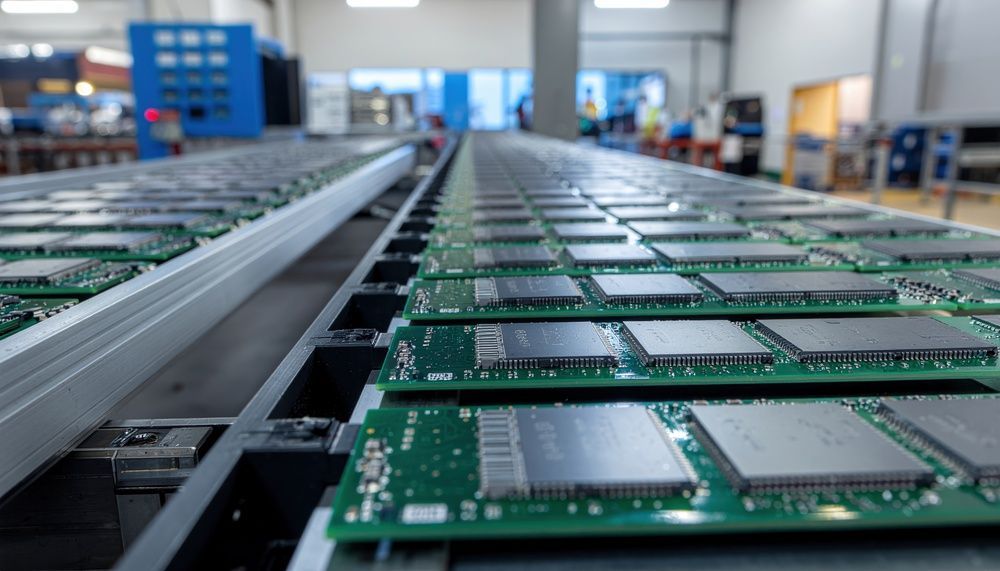
Box build solutions bring these considerations together within a single, structured process. By aligning design, sourcing, and assembly under one approach, teams can move ahead with greater clarity as volumes scale. This continuity helps reduce bottlenecks and keeps production aligned with original specifications.
For organizations balancing speed with precision, this approach creates a more consistent path to completion. EI Sales works alongside customers to streamline this process and keep projects moving forward with confidence.
Contact EI Sales to discuss your next build and explore solutions that connect design intent with production realities across demanding timelines and evolving technical requirements.