Modern electronic designs concentrate more functionality into smaller, more complex assemblies. Engineers must balance dense layouts with strict reliability expectations, leaving little room for error across
PCB and PCBA. Traditional board configurations can add unnecessary interconnects and mechanical constraints, introducing friction during both design and production. In this environment, rigid-flex PCB designs present a more efficient path, aligning mechanical flexibility with electrical performance in a single structure while simplifying integration for constrained and demanding applications.
Flexible Designs for Complex PCB Layouts
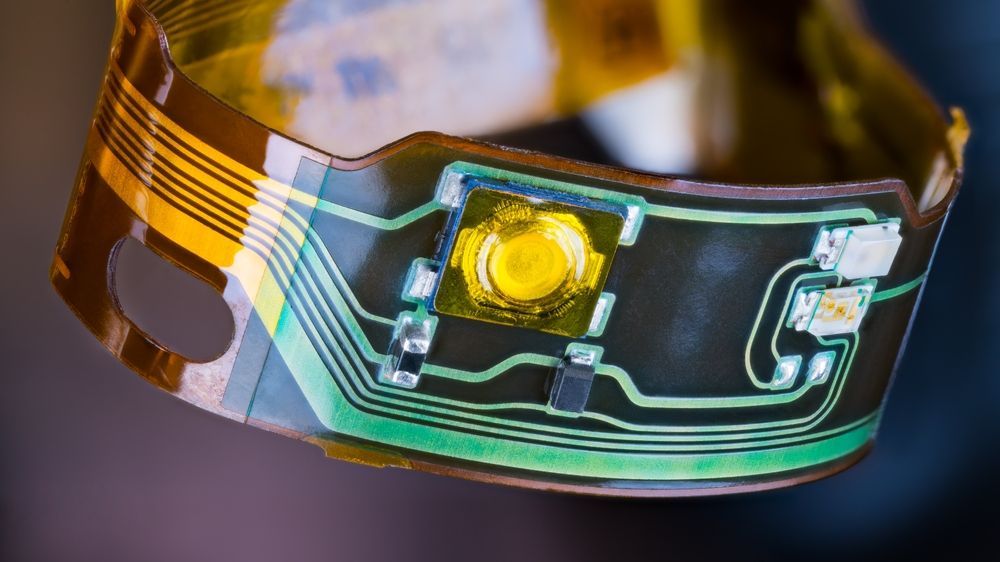
As electronic systems grow more intricate, layout constraints often become an early barrier to progress. Fixed board structures can limit routing options, pushing engineers to work around mechanical boundaries instead of designing with intent. Rigid-flex configurations expand the design space by integrating flexible circuits directly into the board architecture, cutting down the need for separate connectors and simplifying three-dimensional layouts.
This approach is especially effective for dense interconnects and signal paths spanning multiple planes. Careful use of each
PCB via helps preserve continuity while navigating tight geometries, maintaining electrical performance without unnecessary complexity.
Instead of forcing a design to conform Instead of forcing a design to fit rigid boundaries, engineers can shape the board around the product’s physical form, creating cohesive and efficient assemblies with fewer compromises. This strategy also supports long-term manufacturability, consistent design practices, and smoother transitions into downstream assembly, test workflows, and final product integration across multiple production stages.
High Reliability in Demanding Environments
Reliability expectations rise quickly in sectors such as medical, aerospace, and industrial control, where failure is difficult to tolerate. Traditional multi-board assemblies add connectors and solder joints that can turn into weak points under thermal cycling, vibration, or mechanical stress. Over time, these interfaces may degrade, causing intermittent faults that are hard to diagnose and costly to correct in the field.
Rigid-flex designs counter this by consolidating electrical pathways into a unified structure and reducing the number of mechanical transitions across the system. With fewer interconnects exposed to environmental stress, assemblies maintain consistent performance across extended operating cycles. In applications where sealing and protection are priorities,
PCB overmolding
adds durability by shielding sensitive circuitry from moisture, contaminants, and handling damage.
The result is a stable platform aligned with long lifecycle expectations, supporting products that must perform consistently in environments where reliability directly influences overall system confidence.
Fewer Interconnects, Stronger Signal Integrity
As signal speeds rise and tolerances tighten, each connection point adds potential variability. Traditional multi-board designs rely on connectors and cables that can interrupt signal paths and introduce noise, impedance mismatches, or latency. Over time, these issues may affect system performance in subtle but measurable ways.
Rigid-flex configurations streamline signal paths by reducing dependence on external interconnects. This creates a more controlled electrical environment shaped by intentional layout choices and disciplined
PCB design practices.
Key advantages include:
Reduced signal loss across fewer transition points
More consistent impedance through continuous routing paths
Lower risk of electromagnetic interference between connections
Improved performance in high-speed and high-frequency applications
Enhanced signal timing consistency across complex routing paths
Greater predictability during validation and system-level testing
By simplifying physical signal paths, engineers gain confidence in how designs perform under real-world conditions, especially in applications where precision and repeatability are closely tied to system results.
Faster Assembly from Prototype to Production
Time often shapes design choices as much as technical requirements. As prototypes transition into production, gaps between design intent and manufacturing realities can slow progress and trigger rework. Designs built around multiple rigid boards and connectors may add unnecessary assembly steps, increasing handling time and the chance of variation.
Rigid-flex configurations ease this transition by consolidating multiple elements into a single integrated structure. With fewer components to align and connect, assembly becomes more streamlined from early prototypes through scaled production. This alignment between design and fabrication is especially important when working with a qualified
PCB manufacturer that understands both layout goals and downstream assembly needs.
By reducing process complexity, teams can move steadily through validation and into production, maintaining momentum while keeping performance targets in sight at each stage of the build cycle. Shorter iteration cycles and better coordination between engineering and manufacturing help projects progress with fewer surprises.
Space and Weight Savings in Compact Designs
As products shrink, physical constraints influence nearly every design decision. Traditional multi-board layouts with connectors and cabling can consume valuable space, forcing trade-offs between functionality and form. In applications where every millimeter matters, these limitations can restrict innovation and complicate mechanical integration.
Rigid-flex designs address this challenge by merging multiple boards into a single structure that folds and conforms to the product’s geometry. This approach reduces the need for additional hardware while promoting more efficient use of available space.
Key outcomes include:
- Reduced overall footprint by eliminating connectors and cables
- Lower system weight through integrated board construction
- Greater flexibility in packaging within tight enclosures
- Simplified mechanical design with fewer mounting requirements
- More efficient thermal distribution across compact assemblies
- Improved durability by reducing mechanical stress on interconnect points
These advantages support designs that stay aligned with product intent, particularly in applications where size, weight, and performance must work together without compromise.
End-to-End Support from Design to Production
Bringing a complex design from concept into full production often involves multiple partners, each responsible for a different stage of the process. Gaps between design, sourcing, and assembly can introduce delays, misalignment, and added risk. Working with a partner that understands the full lifecycle helps create continuity from early decisions through final production.

As a manufacturer representative with integrated capabilities, EI Sales connects engineering intent with practical manufacturing outcomes. From early collaboration through quick-turn prototyping and scaled assembly, their team works alongside customers to keep projects moving with clarity and purpose. This alignment reduces friction across handoffs while keeping attention on performance, reliability, and manufacturability.
When timelines tighten and complexity grows, having a single accountable partner brings confidence to every stage of development.
Contact EI Sales to discuss your next project and explore solutions from concept through production, backed by responsive communication, engineering insight, and a team committed to long-term customer success.