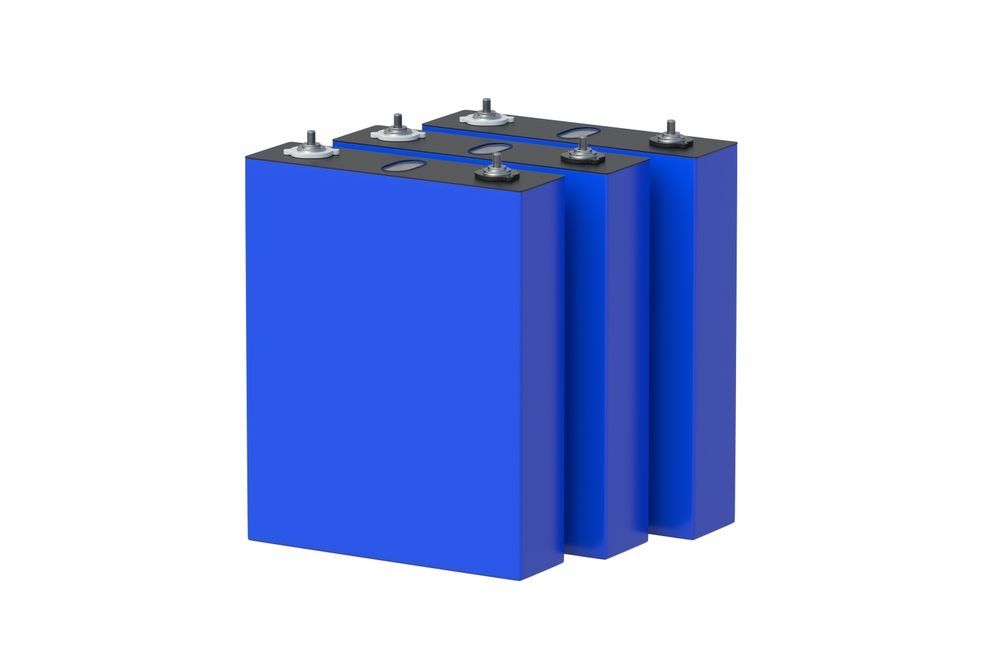

Lithium-Ion vs Lithium Iron Phosphate Batteries

January 16, 2026

Share This Article

Battery selection plays a critical role in product performance, especially in sectors like medical devices, industrial automation, aerospace, and off-highway vehicles. Engineers are often asked to choose between two leading lithium chemistries: lithium-ion (Li-ion) and lithium iron phosphate (LiFePO₄ or LFP). While both are rechargeable lithium-based systems, their performance characteristics vary in ways that can significantly affect reliability, safety, and long-term efficiency.

What Are Lithium-Ion Batteries?

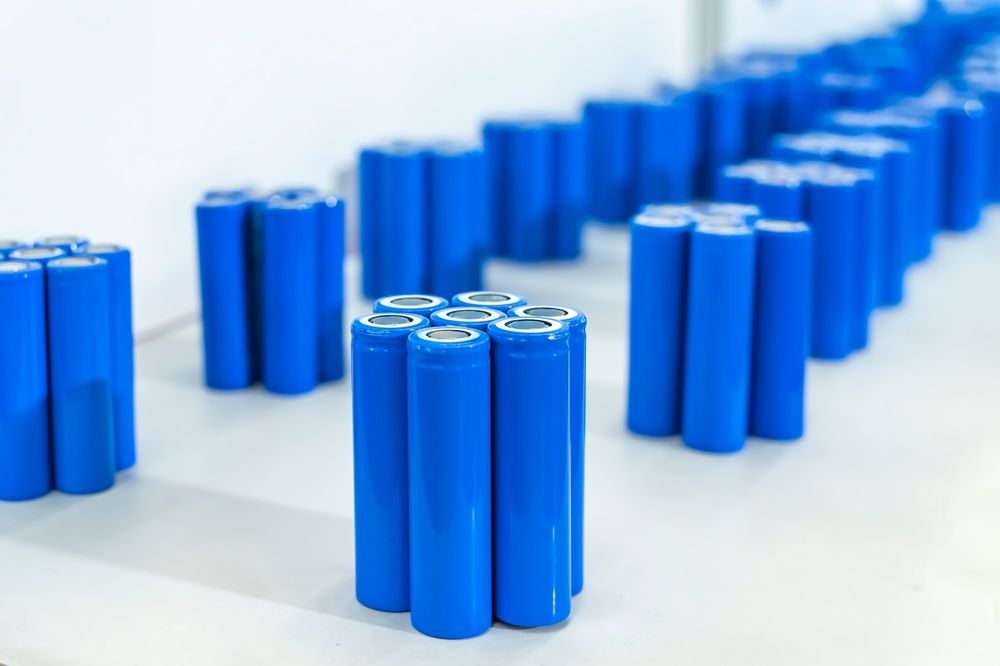
Lithium-ion batteries are widely used in applications that require high energy density and compact packaging. These batteries typically use lithium cobalt oxide (LiCoO₂), nickel manganese cobalt (NMC), or related materials as the cathode. The anode is usually graphite.


Key advantages of lithium-ion include:

  • High energy density for compact or weight-sensitive applications

  • Long cycle life under proper charge and discharge management

  • Available in multiple cell formats, including cylindrical, prismatic, and pouch

These characteristics make Li-ion a strong choice for medical instrumentation, aerospace electronics, and handheld industrial devices where size and run-time are critical.


Important considerations:

Lithium-ion batteries are more sensitive to high temperatures and mechanical stress. Without proper thermal management and a well-engineered battery management system (BMS), they can pose a risk of thermal runaway. For this reason, they are typically used where space is limited but the operating environment can be tightly controlled.

Person's hands interacting with a holographic display showing sustainability and electronics.

What Are Lithium Iron Phosphate Batteries?

Lithium iron phosphate batteries use a phosphate-based cathode, which provides strong thermal and chemical stability. While they deliver a lower energy density than traditional Li-ion, they offer significantly higher safety margins and longer service life.


Key advantages of lithium iron phosphate include:

  • Excellent thermal stability and resistance to combustion

  • Longer cycle life, often exceeding 2,000 to 3,000 charge cycles

  • Stable discharge voltage profile and wider temperature range

  • Increased tolerance to overcharge and high current draw

Because of these attributes, LFP batteries are often preferred in environments that require rugged durability, such as industrial automation, off-road vehicle systems, and medical carts.


Important considerations:

LFP batteries are typically larger and heavier for the same capacity as Li-ion batteries. This trade-off may not be suitable for applications where space is at a premium. Additionally, their slightly lower nominal voltage may require careful matching with system-level power electronics.

Which Chemistry is Right for Your Application?

Choose lithium-ion when your design priorities include maximum energy in the smallest possible space and you can manage heat and charge regulation precisely. Opt for lithium iron phosphate when your application prioritizes safety, stability, and long operating life, especially in demanding environments or high-cycle-use scenarios.

In both cases, pairing the right chemistry with an intelligent BMS, appropriate packaging, and compliance testing is essential to product success.


Need support selecting the right battery chemistry? EI Sales provides solutions for both lithium-ion and lithium iron phosphate applications, connecting you with reliable supply partners and engineering support from concept to production.

Connect With Us

Close-up view of a dark blue printed circuit board with many holes, and a few mounted components.
January 20, 2026
Explore types of vias for PCB layouts, comparing performance, cost, and manufacturability to choose the best option with EI Sales.
circular connector
By EI Sales January 16, 2026
Learn the key differences between M8 and M12 connectors to choose the right fit for industrial automation, medical devices, and harsh environments.
White equipment panel with two round black connectors and a shielded Ethernet port.
By EI Sales November 21, 2025
At EI Sales, we support OEMs by helping engineers and sourcing professionals evaluate connector options that match their application requirements.

LATEST NEWS