Complex products rarely move from concept to market through a single, linear path. Engineering priorities shift, sourcing constraints emerge, and sales timelines often run parallel to design decisions. Internal teams are asked to manage both technical depth and market reach, even as each requires a different focus. That tension creates gaps where opportunities can stall. A more aligned approach brings technical conversations and commercial execution into closer coordination, creating a steadier path forward across evolving requirements and changing customer expectations.
Connecting Engineering Insight with Sales Execution
Engineering teams and sales organizations often operate on parallel tracks, each focused on different priorities and timelines. Design decisions are shaped by performance requirements, while sales efforts depend on clear value and market alignment. Without coordination, these paths can drift, creating delays or missed opportunities during early engagement with customers. This is where the role of a manufacturer's representative becomes more defined.
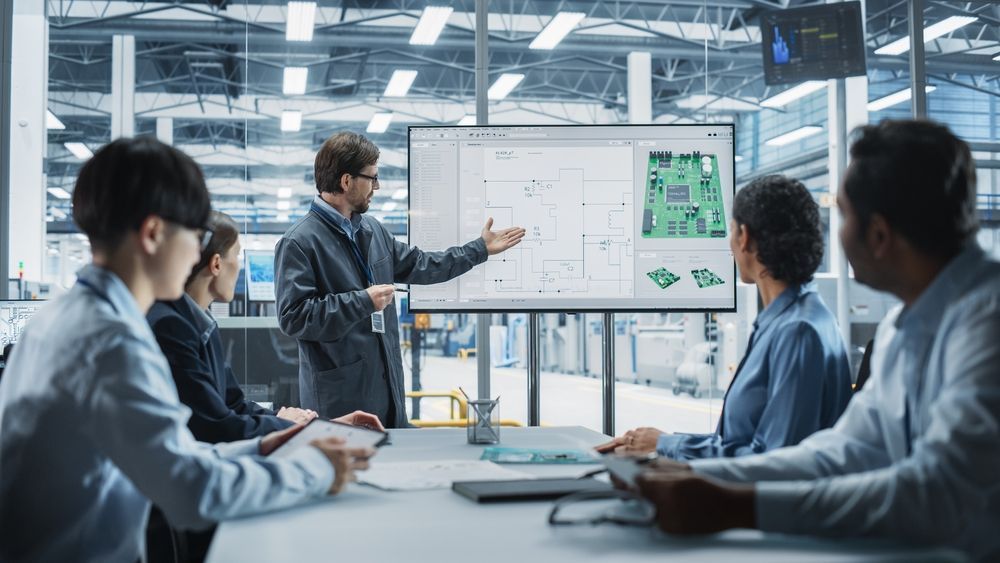
A
manufacturer's representative brings technical fluency into sales conversations, helping translate engineering intent into meaningful discussions with OEM decision-makers. Early involvement in the design cycle allows for more informed component selection and clearer alignment between product capabilities and application needs. By bridging these functions, communication becomes more consistent, and project momentum is easier to sustain from initial concept through specification and into production planning, reducing friction between stakeholders and strengthening alignment across engineering, procurement, and commercial teams, while reinforcing shared objectives and maintaining continuity across each phase of development cycles.
Delivering Solutions Backed by Technical Expertise
Technical alignment often determines how smoothly a product moves from concept into real-world application. When engineering intent is clearly understood at the point of engagement, conversations shift from basic specifications to practical implementation. This creates a stronger foundation for selecting components that align with performance expectations and long-term reliability.
Where technical depth adds value:
- Interpreting design requirements within real operating conditions
- Aligning component capabilities with system-level performance goals
- Identifying potential constraints early in the design cycle
- Maintaining consistency between prototype validation and production readiness
- Supporting design revisions as requirements evolve across development stages
- Coordinating feedback between engineering teams and manufacturing resources
This level of involvement brings clarity to decisions that might otherwise rely on incomplete information. It also helps maintain continuity as projects evolve across multiple stages and stakeholders. With a solutions-oriented mindset, technical knowledge becomes a steady influence that supports better outcomes without slowing progress or introducing unnecessary complexity.
Growing Your Market Presence Without Adding Internal Burden
Expanding into new markets often introduces added complexity across sales, engineering, and operational teams. Internal resources can become stretched as organizations try to balance existing commitments with new opportunities. A more structured approach helps extend reach without overloading internal teams or disrupting current workflows.
How market expansion becomes more manageable:
- Extending coverage through established regional relationships
- Aligning product capabilities with the needs of the industries we serve
- Maintaining consistent communication across multiple customer segments
- Reducing onboarding time for new accounts and applications
- Supporting ongoing engagement without diverting internal engineering focus
- Strengthening visibility within target accounts through consistent, relationship-driven outreach
This approach allows growth to take place with greater stability, keeping internal teams focused on core priorities. With the right alignment, market presence expands through consistent engagement, creating stronger connections and a more predictable path for long-term development across key sectors, while maintaining operational focus and preserving internal bandwidth for innovation and core engineering priorities.
Speeding Time-to-Market Through Established Industry Relationships
Time-to-market is often influenced by how quickly teams can align sourcing, validation, and production planning. Delays rarely come from a single point. They tend to emerge across handoffs, availability gaps, and fragmented communication between stakeholders. Established relationships help reduce this friction by creating a more connected path forward.
Working within a network that includes
authorized distributors brings greater visibility into component availability and lead times, helping teams plan with more confidence. Coordination across engineering and procurement functions becomes more consistent, allowing validation and sourcing efforts to move in parallel rather than in sequence. This alignment reduces delays during the qualification and approval stages, where miscommunication can slow progress.
As these relationships take shape, development cycles move with greater consistency. Teams maintain focus on refinement rather than rework, supporting more predictable timelines and stronger positioning as products approach launch, even as requirements evolve and supply conditions shift across global and domestic sourcing channels, with fewer unexpected disruptions impacting production schedules.
Representing Your Brand as a True Extension of Your Team
In technical markets, how a product is represented carries as much weight as the product itself. Conversations in the field shape perception long before formal evaluations begin. When those conversations lack alignment, opportunities can lose momentum before they fully develop.
Working alongside
trusted manufacturers, representation becomes an extension of internal teams rather than a separate function. Product positioning stays consistent, and discussions reflect a clear understanding of application requirements, performance expectations, and customer priorities. This alignment creates continuity between initial engagement and later-stage design conversations.
Over time, this presence builds familiarity within key accounts. Engineers and decision-makers come to expect informed interactions that reflect both technical depth and brand intent. That consistency strengthens relationships and reinforces confidence across multiple touchpoints, particularly in environments where long sales cycles and detailed validation processes influence final decisions, while also improving communication flow between internal teams and external stakeholders across programs, reinforcing accountability and maintaining alignment as projects evolve across multiple development and commercialization phases.
Supporting Every Stage from Concept to Production
Moving from early design into full-scale production introduces a series of transitions that can challenge alignment across teams. Engineering priorities evolve, sourcing timelines shift, and manufacturing considerations begin to shape final decisions. Without continuity across these phases, projects can lose momentum or encounter avoidable delays.
EI Sales works within this progression by connecting each stage through a consistent, solutions-oriented approach. Early design conversations stay aligned with component selection and application requirements, while prototype efforts reflect real production conditions. As projects advance, coordination across sourcing and manufacturing helps maintain consistency, even as specifications evolve.
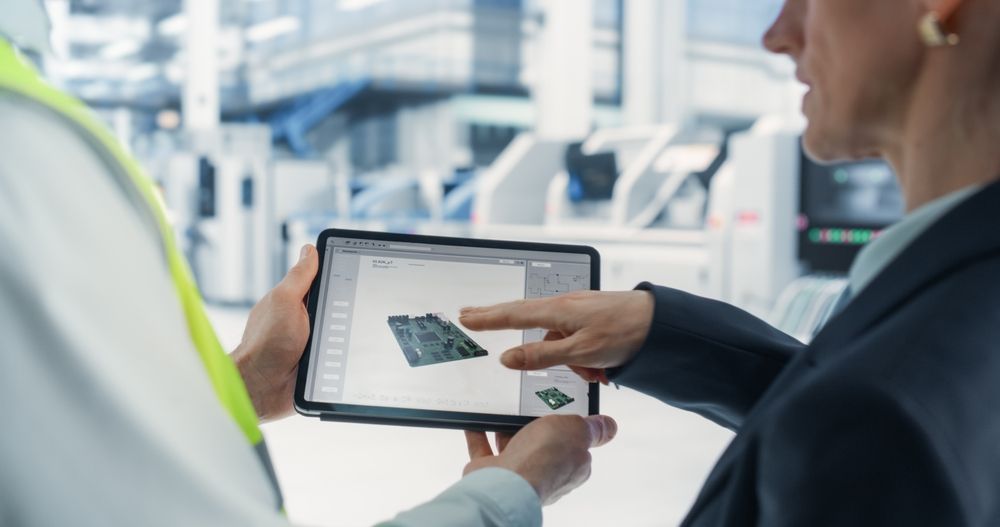
This alignment creates a more stable path forward, where decisions made early continue to hold value as production scales. The result is a process that maintains clarity across each phase, supporting more predictable outcomes and long-term reliability across complex programs, multiple stakeholders, and evolving technical and commercial requirements.
Expect solutions that carry from concept through production.