Cable assemblies protect and bundle conductors for harsh environments, while wire harnesses organize and route wires in more controlled conditions. Although both are used to transmit power and signals, they are designed to address different environmental and performance challenges. As equipment faces vibration, moisture, chemicals, temperature fluctuations, and repeated movement, selecting the right solution can affect reliability, installation efficiency, and long-term maintenance requirements. Understanding these differences helps engineers, purchasing teams, and OEMs align interconnect designs with the demands of their specific applications.
What Makes Cable Assemblies and Wire Harnesses Different?
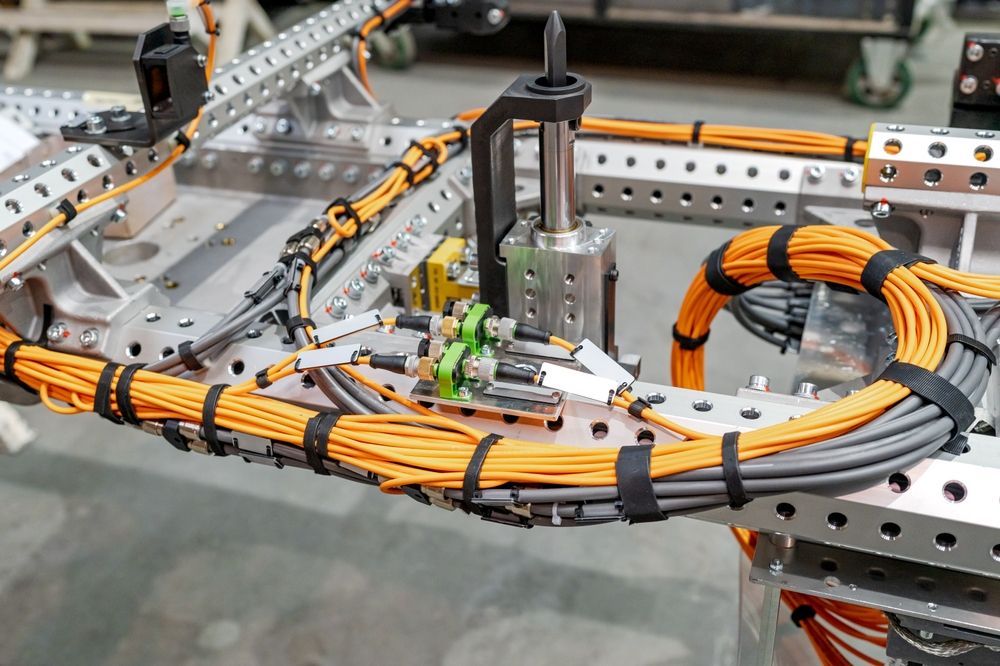
At a basic level, cable assemblies and wire harnesses both organize and connect electrical conductors, but they are designed for different operating environments. A wire harness groups individual wires into a structured arrangement that simplifies routing and installation within equipment.
Cable assemblies take that concept further by enclosing conductors within protective materials that shield against external conditions. This distinction becomes increasingly important when products face moisture, abrasion, chemicals, vibration, or repeated movement throughout their service life.
In a medical device, industrial control system, aircraft, or heavy vehicle, environmental exposure can influence long-term performance as much as electrical design. Understanding how each solution is constructed helps engineers and purchasing teams evaluate tradeoffs, reduce potential failure points, and select a cable and harness assembly aligned with application requirements and reliability expectations.
Wire Harness Design, Construction, and Applications
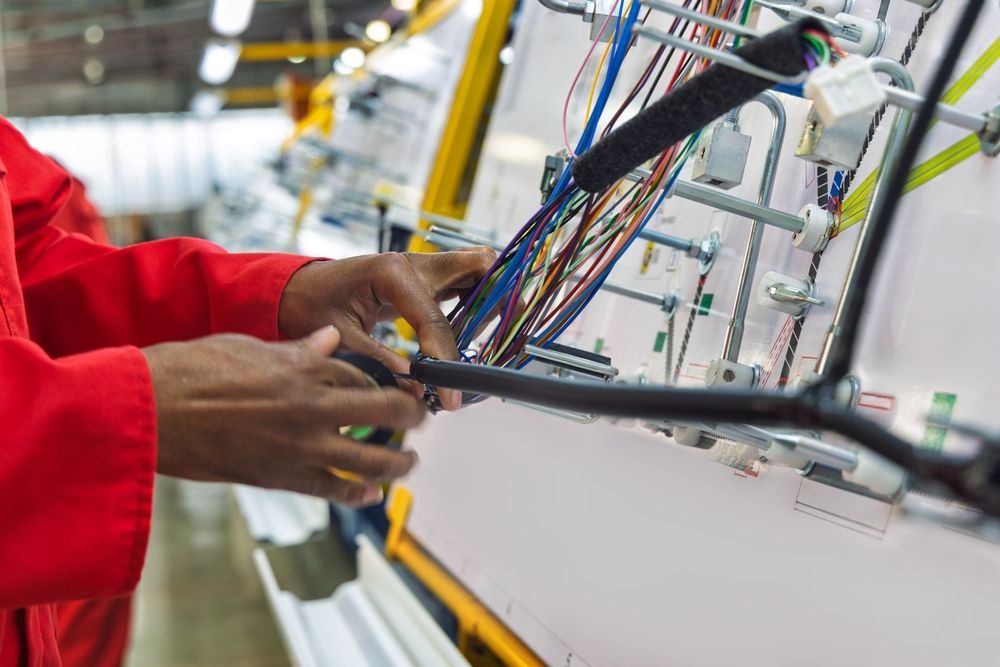
Wire harnesses are designed to organize and route multiple conductors within a piece of equipment. They group wires into a structured arrangement using ties, sleeves, clamps, or conduit, making installation and maintenance more efficient.
Key characteristics of wire harnesses include:
- Organized wire routing for simplified installation
- Lightweight construction with minimal protective materials
- Flexible layouts that fit complex equipment designs
- Basic protection from abrasion and handling
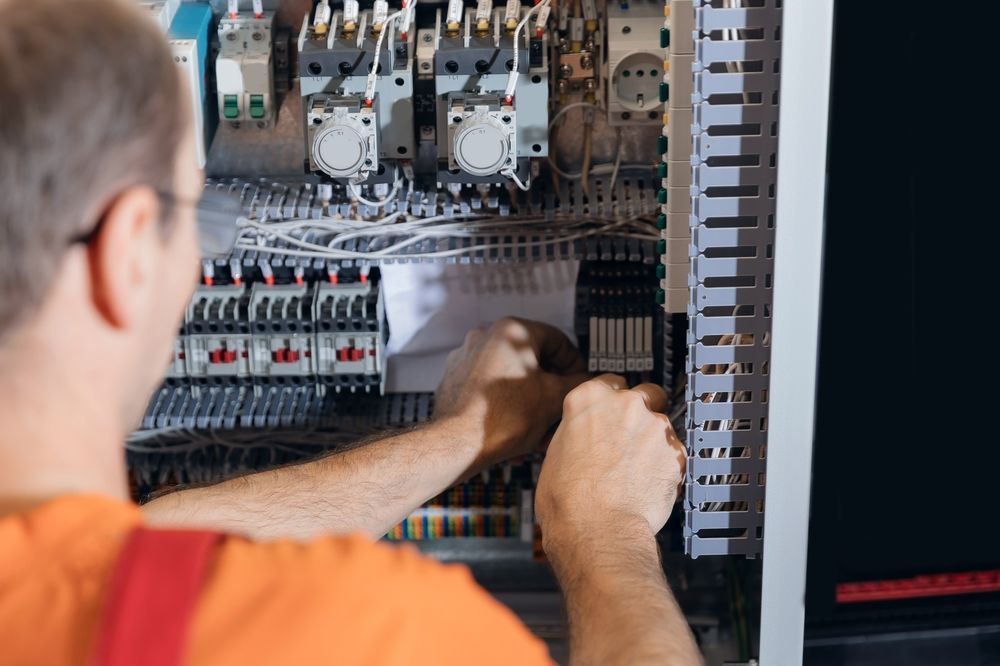
Wire harnesses are commonly used in medical equipment, industrial automation systems, control panels, aerospace interiors, and heavy vehicles, where wiring is housed within a protected enclosure. When environmental exposure is limited, they provide an efficient solution for managing electrical connections while maintaining accessibility for service, upgrades, troubleshooting, and future modifications. Their organized construction can also simplify assembly processes and reduce installation time.
Cable Assembly Construction and Protective Features
Cable assemblies are built to protect conductors from environmental and mechanical hazards. Unlike wire harnesses, they enclose wires within a protective outer jacket that helps shield against moisture, chemicals, abrasion, vibration, and repeated movement. This added layer of protection helps maintain performance and reliability in demanding operating environments where exposure is difficult to avoid.
Common protective features of cable assemblies include:
- Outer jacketing for environmental protection
- Shielding to reduce electromagnetic interference
- Strain relief for repeated flexing and movement
- Enhanced resistance to abrasion, chemicals, and moisture
Cable assemblies are often used in medical devices, industrial machinery, aerospace systems, and heavy vehicles, where exposure to harsh conditions is common. Specialized solutions such as
RF cable assemblies are also used where signal integrity, shielding effectiveness, and consistent electrical performance must be maintained throughout the product lifecycle and during extended operation.
Comparing Cable Assemblies and Wire Harnesses
Both solutions organize and connect electrical conductors, but they are designed to address different operating requirements. The differences become more apparent when comparing protection, construction, installation considerations, and environmental exposure.
| Factor | Wire Harness | Cable Assembly |
|---|---|---|
| Protection | Limited abrasion protection | Protection from moisture, chemicals, abrasion, and vibration |
| Construction | Bundled wires secured together | Conductors enclosed within an outer jacket |
| Environment | Protected enclosures | Harsh operating conditions |
| Installation | Accessible and easy to route | Greater protection, more complexity |
| Common Uses | Control panels, medical devices | Industrial equipment, heavy vehicles |
Neither option is universally better. Wire harnesses are often selected when accessibility and organization are priorities, while cable assemblies are better suited for applications exposed to challenging environmental conditions. The right choice depends on the operating environment, expected service life, and overall performance requirements.
Environmental Protection and Durability Factors
Environmental conditions often play a significant role in determining whether a wire harness or cable assembly is the better fit. Exposure to contaminants, mechanical stress, and temperature changes can affect performance over time, making protection an important consideration during the design process.
Common environmental factors include:
- Moisture and humidity
- Chemical exposure
- Abrasion and physical wear
- Vibration and mechanical shock
- Extreme temperatures
- UV exposure and outdoor weather conditions
Applications in medical, aerospace, industrial, and heavy vehicle markets frequently encounter one or more of these conditions. As environmental demands increase, additional protective features may become necessary to help maintain reliability throughout the product lifecycle. Evaluating these factors early can help teams select a cable and harness assembly that aligns with both performance expectations and operating conditions.
Choosing the Right Solution for Your Application
Selecting between a wire harness and a cable assembly starts with understanding the operating environment and performance requirements. Factors such as moisture, vibration, chemical exposure, temperature fluctuations, installation constraints, and available space can all influence which cable and harness assembly is the better fit. The expected service life of the equipment, maintenance accessibility, and applicable industry standards should also be considered during the selection process. Budget considerations and future service requirements may also influence the decision.
Applications exposed to harsh conditions or frequent movement often benefit from
custom cable assembly solutions designed around specific environmental and mechanical challenges. In more protected environments, a wire harness may provide the organization with accessibility and flexibility needed to simplify installation and maintenance. Evaluating these factors early can help align the interconnect design with performance goals, reliability expectations, and long-term operational requirements.
Selecting a Partner for Cable and Harness Builds
The quality of a cable assembly or wire harness depends on more than the design itself. Manufacturing capabilities, testing procedures, material selection, and engineering collaboration all influence long-term performance. Working with a qualified cable assembly, wire harness, and control panel manufacturer can help simplify the transition from prototype development to full-scale production.
A strong partner should offer engineering guidance, testing capabilities, and production experience to help align designs with application requirements and quality expectations.
Contact EI Sales to discuss your cable assembly or wire harness requirements and explore solutions tailored to your application.