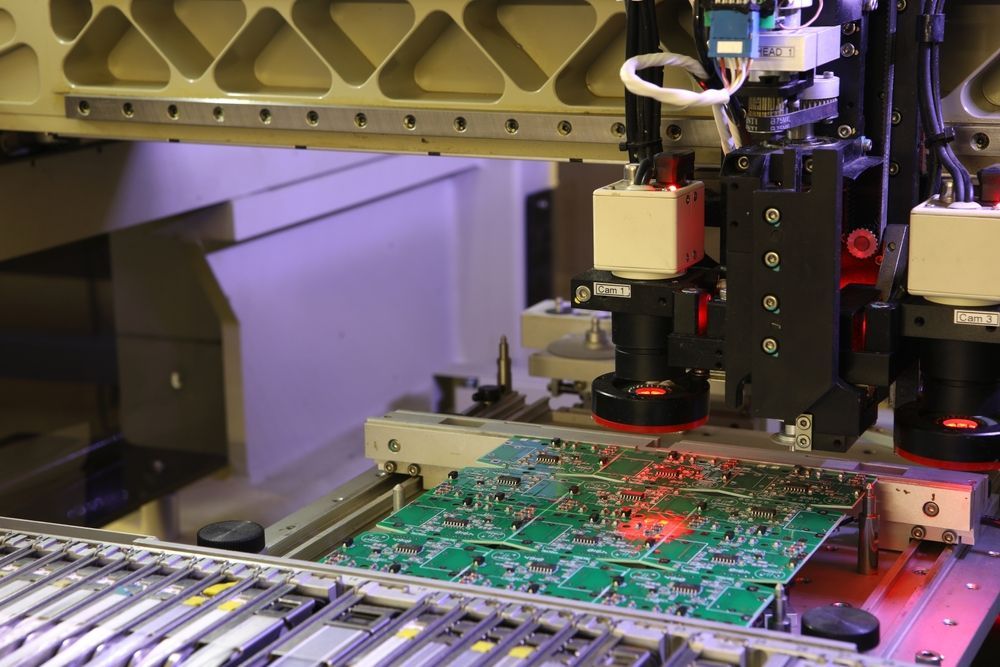
Circuit Card Assembly (CCA) and Printed Circuit Board Assembly (PCBA) generally refer to the same type of electronic assembly: a printed circuit board populated with electronic components. The primary difference is terminology. CCA is commonly used in military and defense documentation, while PCBA is more prevalent throughout commercial electronics manufacturing. Understanding that distinction helps engineering and sourcing teams communicate more clearly, interpret technical documentation correctly, and focus on the manufacturing practices that influence quality, reliability, and long-term performance.
What Is a Circuit Card Assembly (CCA)?
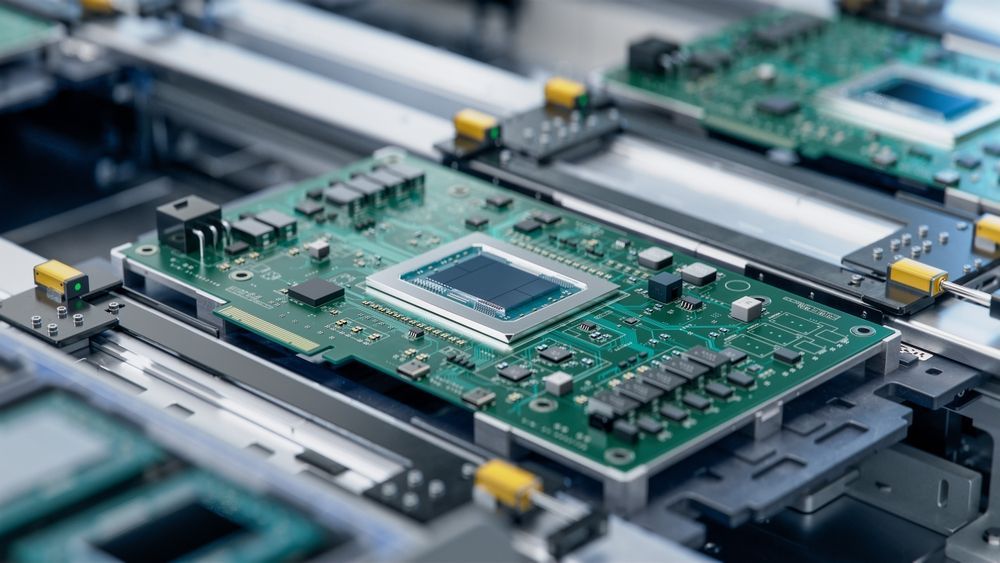
A Circuit Card Assembly (CCA) is a printed circuit board that has been populated with electronic components and assembled into a functional electronic unit. The term is widely used in military, aerospace, and other high-reliability industries, where technical drawings, procurement documents, and engineering specifications often refer to completed electronic assemblies as CCAs. The phrase "circuit card" has long been used in defense and aerospace documentation and remains common in engineering drawings, procurement documents, and military standards. In these environments, "circuit card" is simply the preferred term for the assembled board, even though the finished product is fundamentally the same as what many commercial manufacturers call a Printed Circuit Board Assembly (PCBA).
A CCA begins as a bare printed circuit board before components such as resistors, capacitors, integrated circuits, and connectors are mounted and soldered into place. Depending on the application, additional inspection, testing, or protective processes may also be performed before the assembly is accepted for the next stage of production. Although the terminology is especially common in defense and aerospace applications, a CCA refers to the completed electronic assembly rather than the bare circuit board itself.
What Is a Printed Circuit Board Assembly (PCBA)?
A Printed Circuit Board Assembly (PCBA) is a printed circuit board that has been fully assembled with electronic components, creating a functional circuit ready for integration into a larger product or system. The term is most commonly used throughout commercial electronics manufacturing, including industries such as medical devices, industrial automation, telecommunications, and consumer products. It distinguishes the completed assembly from the bare printed circuit board, making it clear that electronic components have already been installed and the board is ready for testing or integration.
A PCBA is created by mounting components onto a bare printed circuit board using automated and selective manual assembly processes, followed by soldering, inspection, and testing to verify performance. Depending on the application, additional validation may be completed before the assembly moves into the next stage of production. If you're also comparing
PCB vs. PCBA, remember that a PCB is the bare board, while a PCBA is the completed assembly with components installed and ready to function.
Key Differences Between CCA and PCBA
Although Circuit Card Assembly (CCA) and Printed Circuit Board Assembly (PCBA) are often used interchangeably, understanding the context behind each term can help engineering and sourcing teams interpret documentation more accurately and communicate clearly with manufacturers.
| Comparison | CCA | PCBA |
|---|---|---|
| Primary Use | Military, defense, and aerospace industries | Commercial electronics manufacturing |
| Common Documentation | Defense drawings, military specifications, and government contracts | Commercial engineering drawings, BOMs, RFQs, and manufacturing documents |
| Physical Assembly | Populated printed circuit board | Populated printed circuit board |
| Assembly Process | No difference | No difference |
| Quality Requirements | Defined by project specifications, inspection, testing, and traceability | Defined by project specifications, inspection, testing, and traceability |
The terminology itself does not determine the quality or reliability of an assembly. Those outcomes depend on the manufacturing process, workmanship, inspection methods, testing, and the performance requirements of the final application.
How CCA and PCBA Assembly Processes Work
Regardless of the terminology used, CCA and PCBA assemblies follow the same manufacturing process. From production planning through final inspection, each stage helps transform a bare printed circuit board into a fully functional electronic assembly that meets the project's performance and reliability requirements. Inspection and workmanship are often evaluated against applicable IPC standards and customer specifications when required by the project.
Design and Production Review:
Manufacturing begins by reviewing drawings, the bill of materials, manufacturability, and choosing electronic components to identify potential production issues before assembly starts.
Component Placement and Soldering:
Surface-mount (SMT) and through-hole components are installed on the bare printed circuit board using automated equipment and skilled manual processes. This forms the foundation of professional PCB assembly.
Inspection and
Testing:
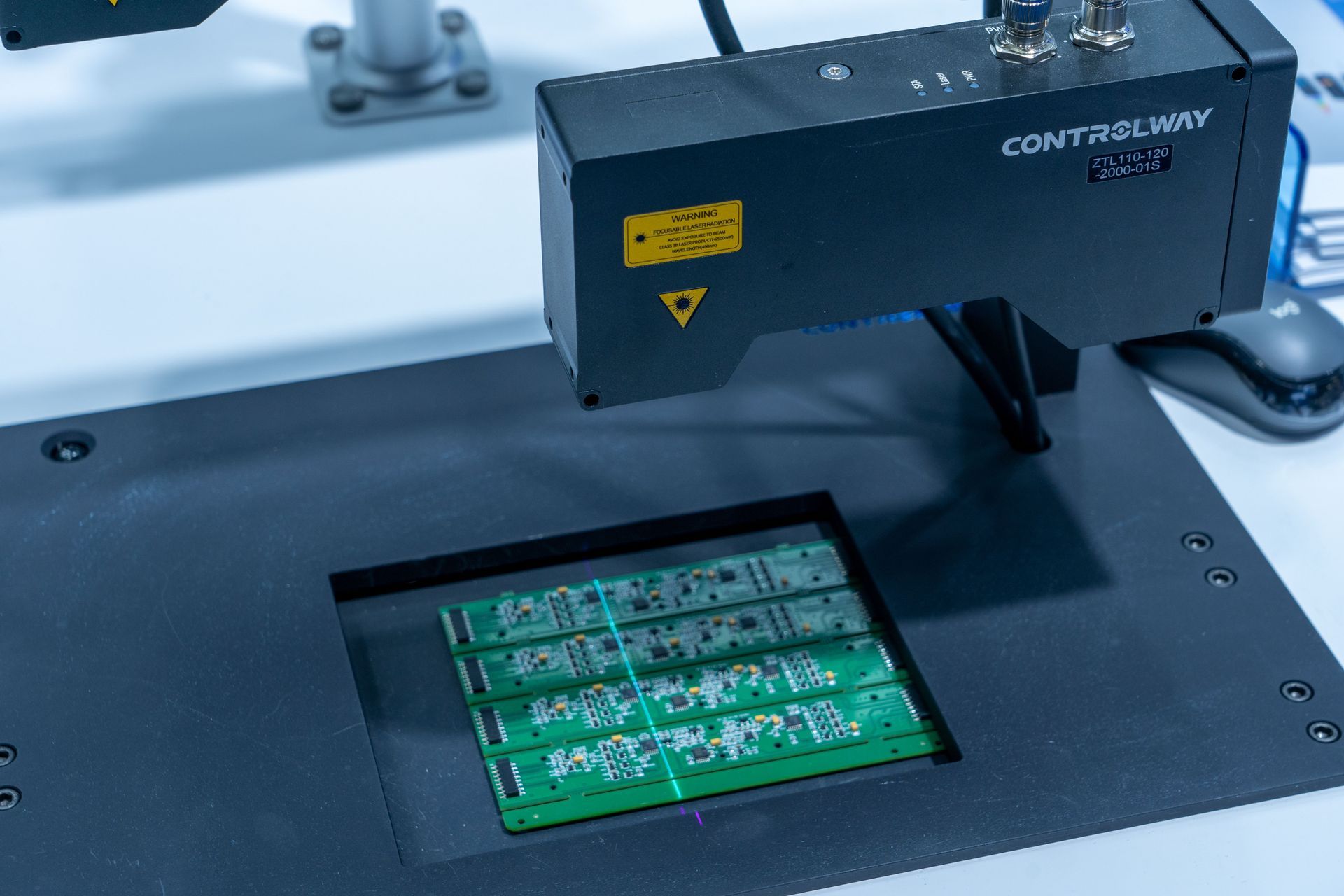
Automated optical inspection, electrical testing, and functional verification confirm that solder joints, component placement, and circuit performance meet project specifications.
Prototype and Production:
Many projects begin with rapid PCB prototyping to validate the design before transitioning into larger production volumes with greater confidence and consistency.
Whether the finished product is called a CCA or a PCBA, the manufacturing process remains fundamentally the same. The difference lies in the terminology, not in how the assembly is built.
Why CCA Quality Matters in Defense Electronics
In defense applications, a Circuit Card Assembly (CCA) is often expected to perform in demanding environments where failure is not an option. Because these assemblies frequently support mission-critical systems, even a single defect can affect system performance, maintenance schedules, or operational readiness. Defense electronics may encounter extreme temperatures, vibration, moisture, shock, and prolonged operating conditions that place significant stress on electronic assemblies. Meeting these expectations depends on disciplined manufacturing practices, thorough inspection, functional testing, complete traceability, and selecting reliable electronic components for military applications.
Many defense programs also incorporate protective design features to increase durability and environmental resistance. Depending on the application, manufacturers may use conformal coatings, encapsulation, or
PCB overmolding services to help shield sensitive electronics from moisture, contaminants, and mechanical damage. Combined with documented quality processes, rigorous testing, and traceability, these measures help assemblies meet the reliability expectations of mission-critical defense equipment throughout their service life.
Choosing the Right CCA Manufacturing Partner
Choosing the right CCA manufacturing partner starts with evaluating how well a manufacturer’s processes align with your product requirements, quality expectations, and production goals. Beyond assembly capabilities, look for a partner that can communicate effectively, identify manufacturability concerns early, and maintain consistent quality from prototype builds through full-scale production. A collaborative approach can help reduce delays, simplify revisions, and keep projects moving forward with greater confidence.
When evaluating a manufacturing partner, consider whether they:
- Have experience with your industry and application requirements.
- Perform documented inspection, testing, and traceability throughout production.
- Support prototype and production manufacturing under one roof.
- Work closely with engineering teams to address design and manufacturing challenges.
- Maintain consistent quality systems and clear communication throughout the project.
Whether your documentation references a Circuit Card Assembly (CCA) or a Printed Circuit Board Assembly (PCBA), the manufacturing principles remain the same. At
EI Sales, we provide solutions for customers from prototype through production with responsive engineering and electronics manufacturing services.
Contact us to discuss your next project and learn how our team can help bring your design into production.