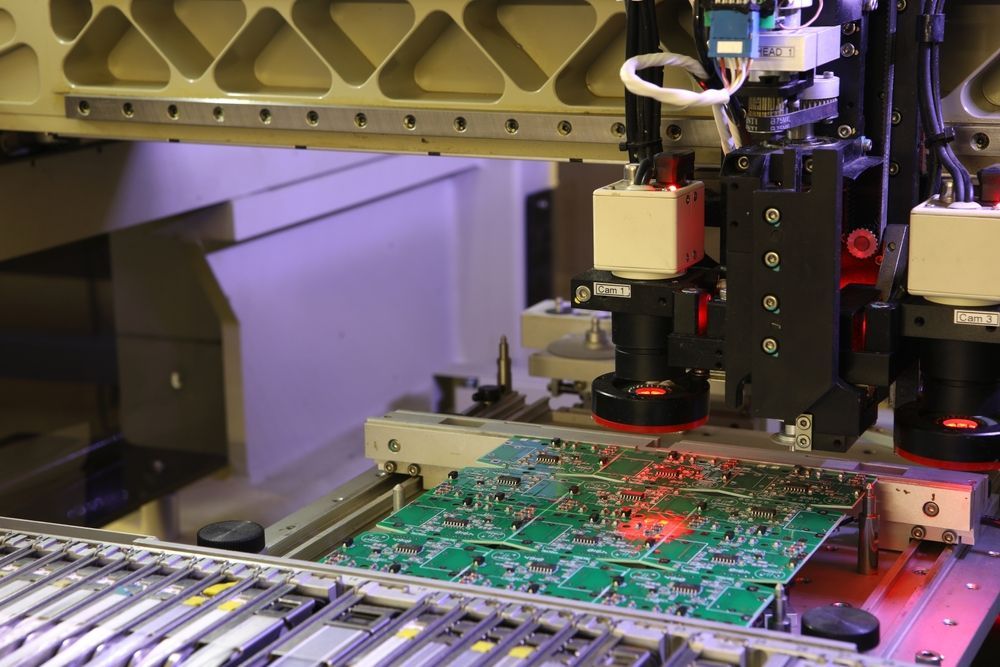
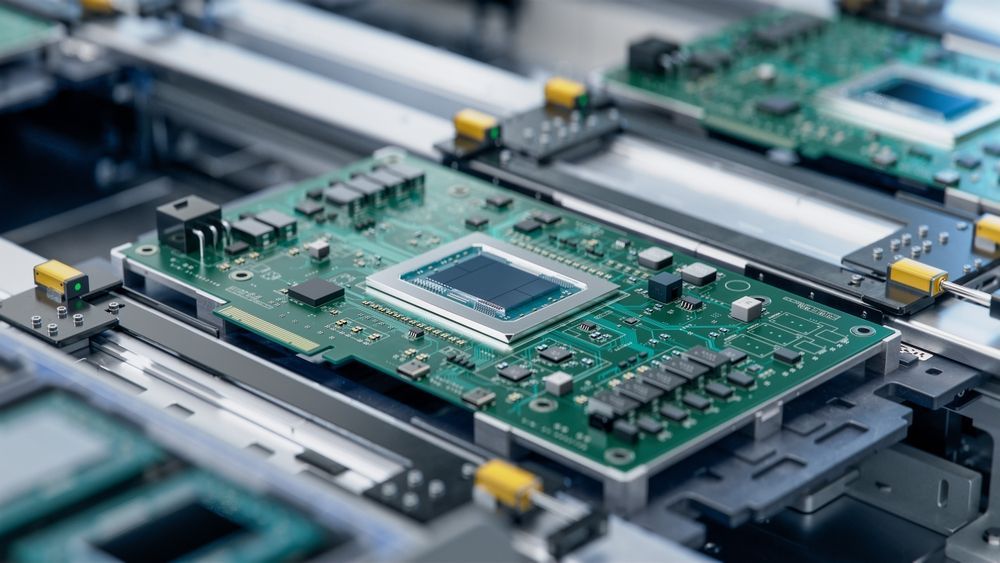
A power generation panel assembly brings together power and control requirements, electronic components, control electronics, cable and harness assemblies, system integration, and testing. Moving the design into repeatable production also involves component sourcing, documentation, and manufacturability planning.
These elements are closely connected. Component choices can affect control architecture, wiring, assembly, and testing, while decisions made during design can influence reliability and production efficiency. Coordinating those decisions early gives OEM engineering teams a clearer path from initial requirements to a tested, production-ready assembly.
Defining Power and Control Requirements
Panel development starts by defining what the electrical and control system needs to accomplish. These specifications establish the foundation for control architecture, component selection, wiring, and testing.
Early requirements should identify:
Power characteristics:
Input voltage, current, connected loads, load characteristics, power conversion, and protection needs
Control functions:
Operating sequences, monitoring points, alarms, interlocks, and system responses
Verification criteria:
Expected system behavior and the electrical and functional checks needed before production
Interfaces:
I/O, signals, communications, connectors, and connections with other equipment
Operating conditions:
Temperature, vibration, electrical noise, and relevant environmental conditions
Documenting these requirements through specifications, I/O information, and applicable drawings gives engineering and manufacturing teams a shared technical reference. It also helps uncover conflicts early, before decisions become embedded in control electronics, wiring, or the production process.
Selecting Components for Panel Performance
Once power and control requirements are defined, component selection can focus on the conditions each device will encounter. Power semiconductors, power supplies, relays, connectors, resistors, capacitors, inductors, ferrites, and related electronics must match the application’s voltage, current, switching, protection, and thermal needs.
Electrical ratings are only part of the decision. Engineers also need to consider component quality, temperature, vibration, electrical noise, physical dimensions, mounting, and compatibility with surrounding electronics. These factors can influence performance as well as the space needed within the assembly.
Availability deserves attention early, too. Lead times, lifecycle status, and suitable alternatives can affect production long after the initial design is approved. Evaluating performance, integration, and sourcing together reduces the chance that a successful design later faces avoidable component substitutions or redesign work.
Designing the Electronic Control System
With requirements and components established, the electronic control system turns operating needs into defined functions. Engineers may develop control circuitry, PCB layouts, monitoring functions, communication interfaces, and embedded software based on the application. Signal integrity, electrical noise, board space, connector locations, and communication between devices all influence how the electronics are arranged.
Production considerations also belong in this stage. PCB layout, component placement, test access, interfaces, and documentation can affect how efficiently an assembly is built and verified later. Design-for-manufacturability reviews can identify difficult assembly steps or potential conflicts before drawings and layouts are finalized. Connecting electrical design with manufacturing needs early creates a more practical control system and reduces the likelihood of discovering layout, interface, or test-access problems during prototype builds or production.
Building Cable and Harness Assemblies
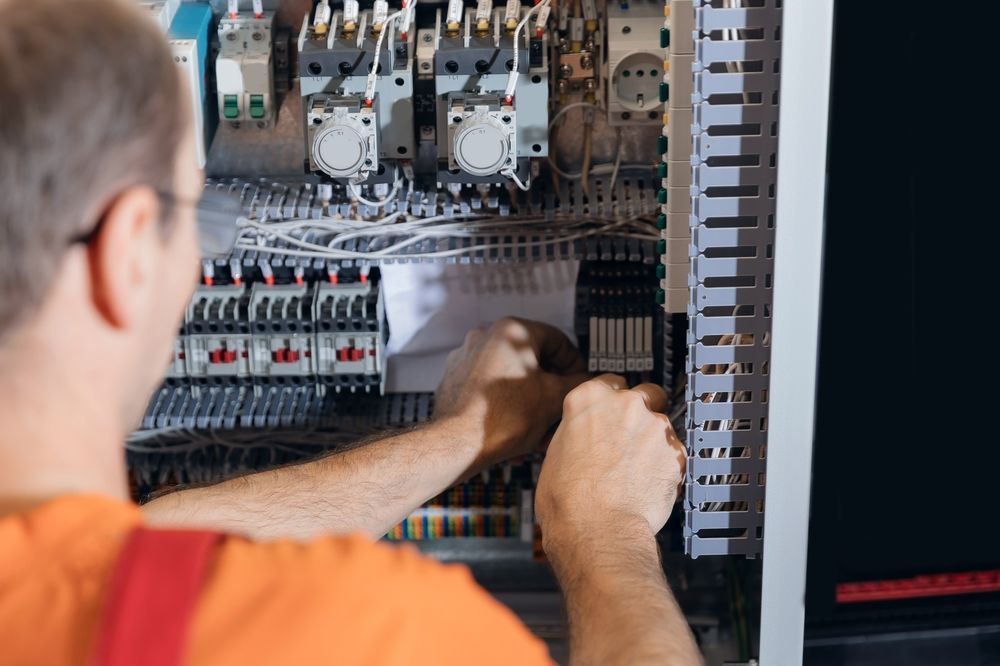
Cable and harness assemblies create the electrical connections between controls, power electronics, sensors, and other devices. Their design needs to account for both electrical performance and the physical conditions inside the finished assembly.
Key considerations include:
- Conductors and connectors: Current ratings, connector compatibility, and termination methods
- Routing and protection: Available space, bend radius, strain relief, abrasion, and exposure to heat
- Signal integrity: Separation, shielding, and grounding practices where electrical noise is a concern
- Identification: Clear labeling and documentation that simplify assembly, testing, and service
Controlled workmanship is equally important. Proper crimping, termination, routing, and inspection help create consistent connections from one build to the next. Planning these details before production can also reduce wiring errors, simplify assembly, and prepare each harness for electrical verification.
Integrating Power and Control Electronics
Integration brings control electronics, power devices, harnesses, connectors, displays, and other assemblies together according to the electrical and mechanical design. At this stage, engineers must account for mounting locations, connection points, clearances, routing, heat, and access for assembly or service. The goal is a configuration in which each subsystem can operate as intended without creating conflicts elsewhere.
Box-build assembly can bring many of these electronic and electromechanical elements into a controlled manufacturing process. Accurate drawings, bills of materials, wiring information, and assembly instructions help keep each build consistent with the approved design. Coordinating these details also creates a cleaner transition into verification, since technicians can trace connections and confirm that assemblies match documented requirements before functional testing begins.
Testing for Quality and Reliable Operation
Testing verifies that the assembled electronics match design requirements and operate as intended before production advances. The test plan should reflect the assembly’s circuitry, interconnections, control functions, and expected operating behavior.
Verification may include:
- Workmanship inspection: Checking component placement, terminations, connectors, routing, and assembly details
- Electrical testing: Confirming continuity, isolation, and correct connections throughout cables and harnesses
- Functional testing: Exercising defined functions, signals, interfaces, and system responses under specified test conditions
Test development can range from flying probe and bed-of-nails methods to automated functional testing, depending on the electronics involved. Documented procedures and acceptance criteria help teams evaluate each build consistently. Finding wiring, assembly, or functional problems before production progresses reduces downstream troubleshooting and builds confidence that subsequent assemblies can meet the same defined requirements.
Supporting the Move From Design to Production
Moving from a working design to repeatable production takes coordination across engineering, sourcing, manufacturing, and testing. An early review can identify component availability, manufacturability, documentation, and test concerns before they become production problems. From there, teams can prepare drawings, bills of materials, assembly instructions, and verification criteria, then scale the approved process with greater consistency.
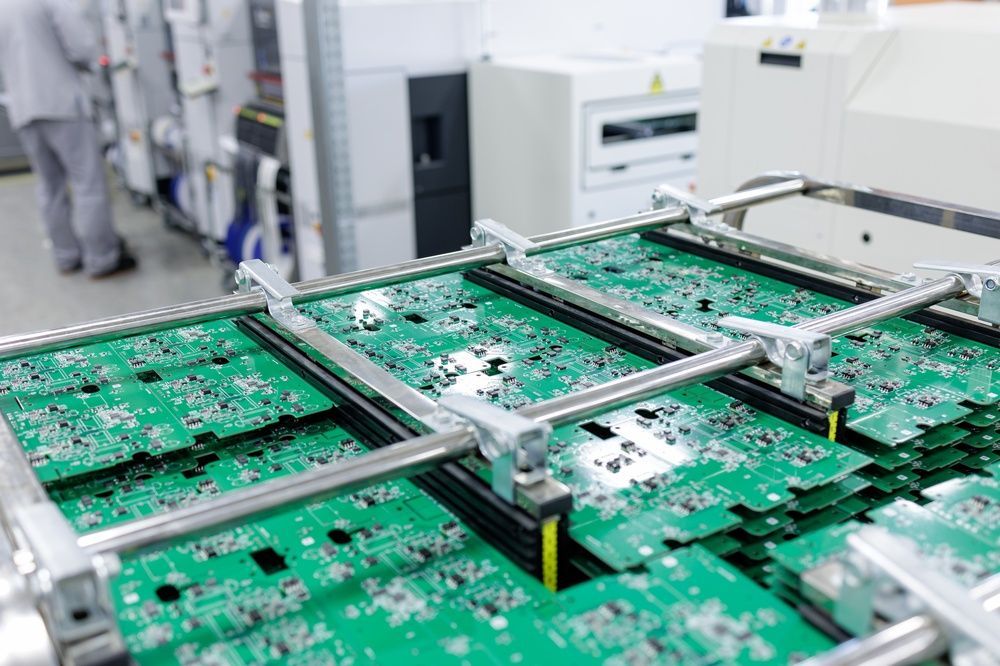
EI Sales works with OEM teams across this progression through electronic design, component sourcing, cable and harness assembly, box builds, test development, and production manufacturing services. Bringing these capabilities together can reduce handoffs and keep technical decisions connected as a design advances.
Engaging EI Sales early can help identify a practical route from concept to production.
Ask an Advisor to discuss the engineering or manufacturing needs behind your next project.