System security plans document how an organization protects an electronic system, including its boundaries, controls, components, data flows, access, and risk-management decisions. In electronics manufacturing, this planning connects cybersecurity requirements with system design, component sourcing, firmware, testing, production processes, and supplier relationships.
For OEMs, the goal is to identify security expectations early and maintain them from concept through production. Defining scope, controlling access to sensitive technical information, evaluating supplier risks, verifying controls, and documenting changes can reduce security and compliance gaps as a design moves into manufacturing.

What Is a System Security Plan?
A System Security Plan (SSP) is a documented record of a system’s security boundaries, operating environment, components, data flows, responsible personnel, and security controls. It identifies what falls within scope and records how applicable security requirements are addressed throughout the system.
For electronics OEMs, an SSP can account for more than networks and software. Product design files, firmware, test systems, manufacturing records, connected equipment, and sensitive technical data may also fall within the defined boundary. The document can also identify who has access to protected information and how security responsibilities are assigned.
An SSP should remain current as designs, processes, suppliers, and technologies change. Maintaining accurate documentation helps engineering, manufacturing, cybersecurity, and compliance teams work from the same security expectations throughout a product’s lifecycle.
Why Security Matters in Electronics
Security problems in electronics can reach beyond software or network access. A compromised design file, unauthorized firmware change, counterfeit component, or poorly controlled production record can affect product integrity, regulatory obligations, and future manufacturing runs. These concerns become especially significant for medical, aerospace, defense, and industrial applications where traceability and controlled processes are closely monitored.
Security planning helps OEMs address three areas early:
- Product integrity: Protect designs, firmware, configurations, and technical data against unauthorized changes.
- Supply chain visibility: Track component origins, supplier practices, substitutions, and changes that could introduce risk.
- Production control: Maintain documented access, revisions, test records, and manufacturing processes as designs move toward production.
Addressing these areas early can reduce costly redesigns, compliance gaps, and uncertainty when customers or regulators request security documentation.
Security in Electronic System Design
Security planning should begin while engineers are defining system architecture, interfaces, components, firmware, and test requirements. Decisions made during this stage can influence how technical data is accessed, how firmware is programmed or updated, and how changes are controlled once the product enters manufacturing.
Hardware choices also deserve attention. Engineers selecting
RH cable assemblies,
high-performance RF connectors, circuit boards, and other interconnected components should consider application requirements, supplier traceability, documentation, and potential substitutions. Design teams can also define programming access, test points, communication interfaces, and configuration controls before prototypes are built. Recording these decisions creates a stronger foundation for later verification and compliance activities. It also helps prevent security requirements from surfacing after layouts are finalized, components are sourced, or manufacturing processes have already been established.
- Component provenance: Confirm part origins and maintain records that help identify counterfeit, altered, or unauthorized components.
- Change management: Establish processes for reviewing substitutions, revisions, process changes, and end-of-life notices before they affect production.
- Supplier practices: Review relevant certifications, documentation controls, cybersecurity practices, and access to technical resources.
These considerations help engineering and purchasing teams identify sourcing risks earlier while maintaining clearer records as components and assemblies move through prototype builds and production.
Testing, Compliance, and Cybersecurity
Security controls need documented verification as a product progresses toward production. Testing, compliance activities, and cybersecurity reviews each address a different part of that process.
| Area | Role in Security Planning |
|---|---|
| Testing | Verifies hardware operation through methods such as flying probe, bed-of-nails, and functional testing. |
| Compliance | Documents applicable requirements, processes, records, and proof of conformity. |
| Cybersecurity | Evaluates access, system configurations, data protection, vulnerabilities, and security controls. |
These activities create evidence that engineering and security decisions have been carried into the finished design and manufacturing process. Keeping test results, revisions, configurations, and compliance records aligned also helps teams respond to assessments, customer inquiries, and design changes without reconstructing information late in the program.
Security From Prototype to Production
Security practices can break down when a prototype moves between engineering, sourcing, testing, and production teams. Before release, teams should document approved components, firmware versions, configurations, access controls, and test requirements so production begins from a controlled design.
During
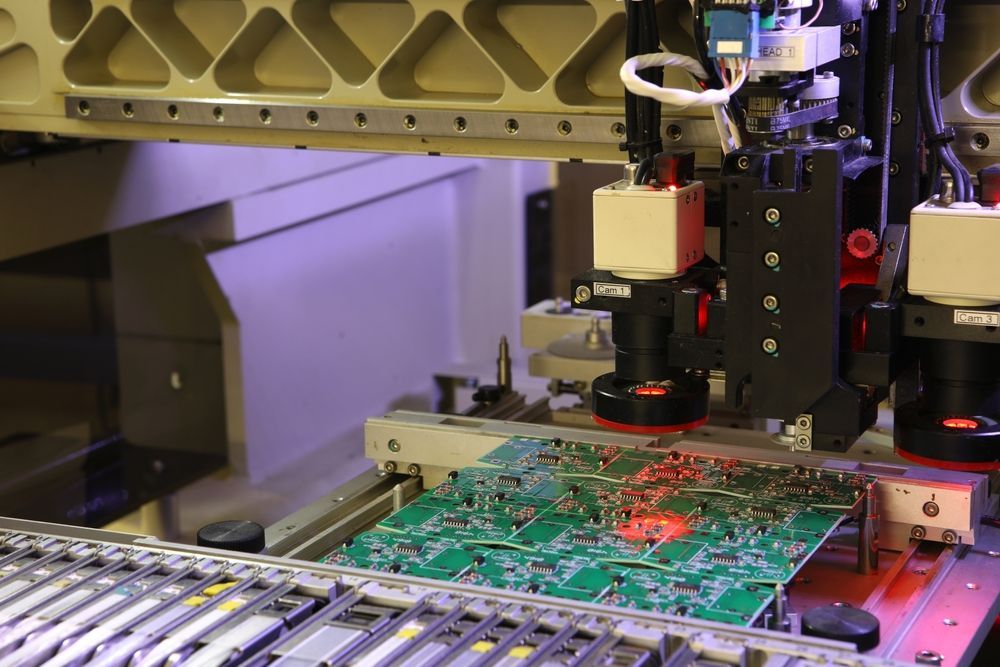
PCB manufacturing and assembly, revision tracking, approved substitutions, programming procedures, and test results should remain connected to that documentation. The same discipline applies after production begins. Component replacements, firmware updates, process revisions, and supplier changes should be reviewed before entering future builds.
Maintaining this continuity gives engineering and manufacturing teams clearer traceability throughout the product lifecycle. When an issue, audit, customer inquiry, or design revision occurs, teams can identify what changed, when it changed, and which version or production run was affected without reconstructing records after the fact.
How EI Sales Supports Secure Manufacturing
EI Sales connects engineering, sourcing, testing, compliance, and manufacturing resources from early design through production. This structure helps OEM teams address security considerations alongside practical decisions involving components, circuit boards, assemblies, documentation, and production processes. Access to vetted suppliers and technical resources also helps keep design intent connected as projects move between development stages.
For OEMs working through system security plans, EI Sales can bring together resources for electronic and mechanical design, test development, cybersecurity and compliance, prototype assembly, production assembly, and component sourcing. The result is a more coordinated path from concept to production, with fewer handoffs between disconnected resources.
Contact EI Sales to discuss project requirements and identify the engineering, manufacturing, testing, or sourcing resources that fit the program. Expect solutions from concept through production.